SIGN UP
|


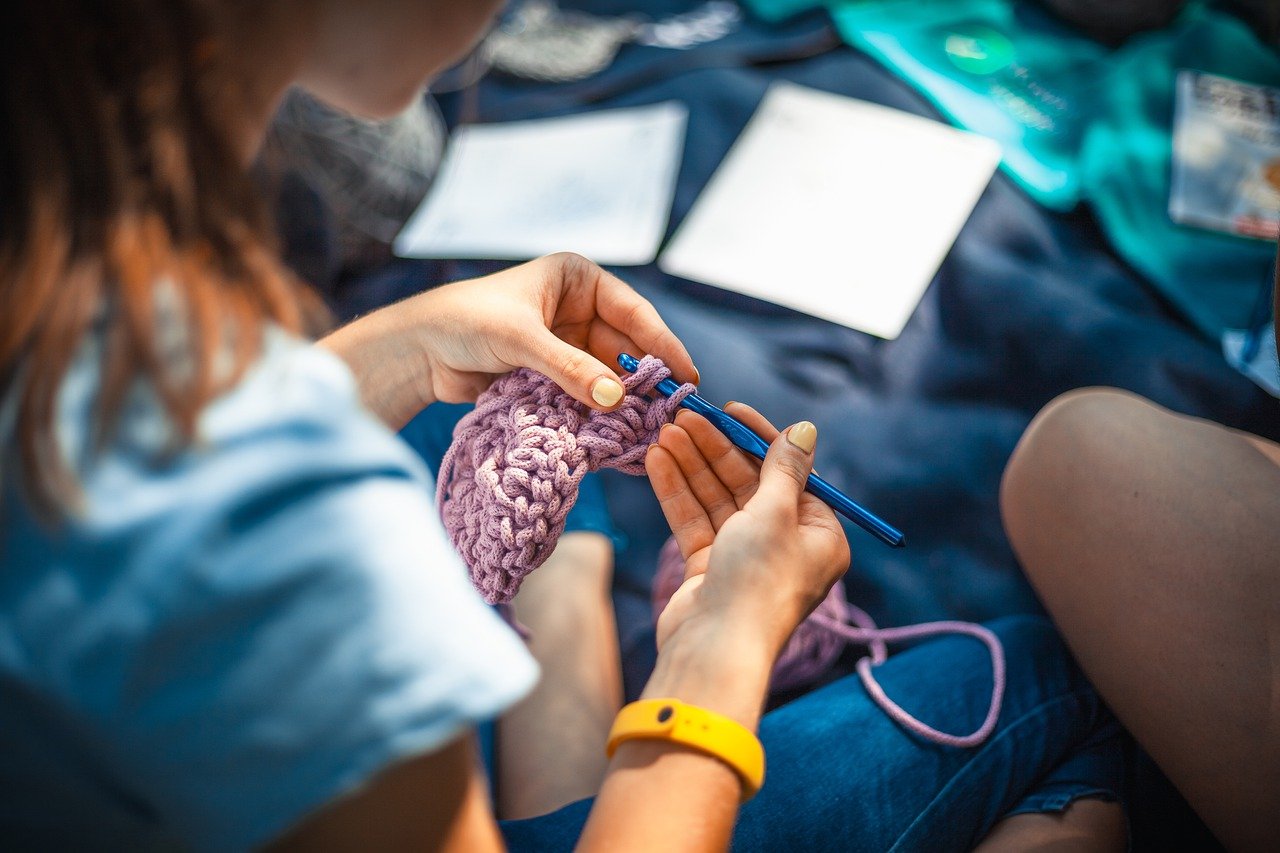
Handcraft plays an important part in the religious conviction, values and economy of Nepal as it is connected to the diverse traditions of the nation. It recognizes that there is a substantial degree of connection and dependency between handiwork and foreign tourist influxes, job creation and the increase in revenue and social status.
History
In the Ancient World, militias became creatives to evade (escape) the oppressive regime of abusive kingdoms. During the Reformation, the laborer’s digged their mentors to take ownership of their very own craft. From the fifteenth century, prehistoric horticultural texts and new territories plotted to provoke the enthusiasm of many, leading to the collection of both organic and man-made things and their capture on paper, woodblocks and canvas for experiment and entertainment.
Sculptors can be found in ancient Egypt as carpenters, stone carvers, weavers, architects, jewelers, among other trades. Although these artisans were extremely qualified and recognized in their work, they themselves formed the backbone of the middleclass on the social hierarchy, only above the enslaved people and peasant farmers. Not until the Medieval Era that the importance of the craftsman in community had become specialist and praised. It was due to the incorporation of artisans, which safeguarded the rights and privileges of buyers and sellers. The councils were comprised of a skilled craftsman or sculptor who operated their company and monitored and taught trainees in their vessel.